 FlowerTim Dusenberry / Pexels
Sedmikráska chudobka
Bellis perennis
Common Daisy
The little white-and-yellow flower most Czech kids learn to weave into crowns. It hugs the ground in a tidy rosette and keeps blooming from the first mild days of spring right into autumn.
- Blooms
- March – October
- Height
- 5 – 15 cm
- Find it
- Lawns, meadows, roadsides, almost every garden
Did you know? Its Czech name "chudobka" means "little poor one" — a nod to how it thrives even in the poorest, most trampled soil.
 FlowerWolfgang Weiser / Pexels
Kopretina bílá
Leucanthemum vulgare
Oxeye Daisy
A taller cousin of the common daisy, with a single row of long white petals around a bright yellow disc. Whole meadows can turn white with it in early summer.
- Blooms
- May – August
- Height
- 30 – 70 cm
- Find it
- Roadside verges, meadows, unmown yard edges
Did you know? Bees and hoverflies love its flat, open flower head — it is one of the easiest wildflowers for pollinators to land on.
 FlowerAd Hartjes / Pexels
Vlčí mák
Papaver rhoeas
Corn Poppy
Paper-thin scarlet petals with a black centre make this one of the most photographed wildflowers in the country. It springs up wherever soil has been freshly turned.
- Blooms
- May – July
- Height
- 30 – 90 cm
- Find it
- Field margins, roadsides, disturbed soil
Did you know? Seeds can lie dormant in the soil for decades and only sprout once the ground is disturbed — which is why poppies famously follow roadworks and ploughed fields.
 FlowerPetr Ganaj / Pexels
Chrpa polní
Centaurea cyanus
Cornflower
A slender stem topped with a vivid cobalt-blue flower. Once a common weed of grain fields, it is now more often seen along paths and in sown wildflower mixes.
- Blooms
- June – August
- Height
- 30 – 80 cm
- Find it
- Field edges, meadows, wildflower strips
Did you know? Its intense blue pigment, protocyanin, is so distinctive it gave its name to the colour "cornflower blue".
 FlowerJulia Filirovska / Pexels
Petrklíč jarní
Primula veris
Cowslip
Clusters of small, fragrant yellow bells nod atop a single stalk, one of the first real signs that spring has arrived after the snowdrops fade.
- Blooms
- April – May
- Height
- 10 – 25 cm
- Find it
- Sunny meadows, orchard grass, garden lawns
Did you know? The name "petrklíč" means "Peter's key" — folklore held that Saint Peter dropped the keys to heaven and cowslips sprang up where they landed.
 FlowerPetr Ganaj / Pexels
Violka vonná
Viola odorata
Sweet Violet
Deep purple, heart-shaped-leaved and quietly fragrant, sweet violet hides low in shade where lawns meet fences and hedges.
- Blooms
- March – April
- Height
- 5 – 15 cm
- Find it
- Shady garden corners, hedge bottoms, woodland edges
Did you know? Its scent temporarily desensitises the human nose to its own smell — the compound ionone briefly switches off the receptor that detects it.
 FlowerPetr Ganaj / Pexels
Jetel plazivý
Trifolium repens
White Clover
Round white-pink pompom flowers rise from a mat of three-part leaves. It spreads by creeping stems, which is why it survives mowing better than almost anything else in a lawn.
- Blooms
- May – September
- Height
- 10 – 20 cm
- Find it
- Lawns, verges, anywhere grass is regularly mown
Did you know? As a legume, it fixes nitrogen from the air into the soil, quietly fertilising the lawn around it for free.
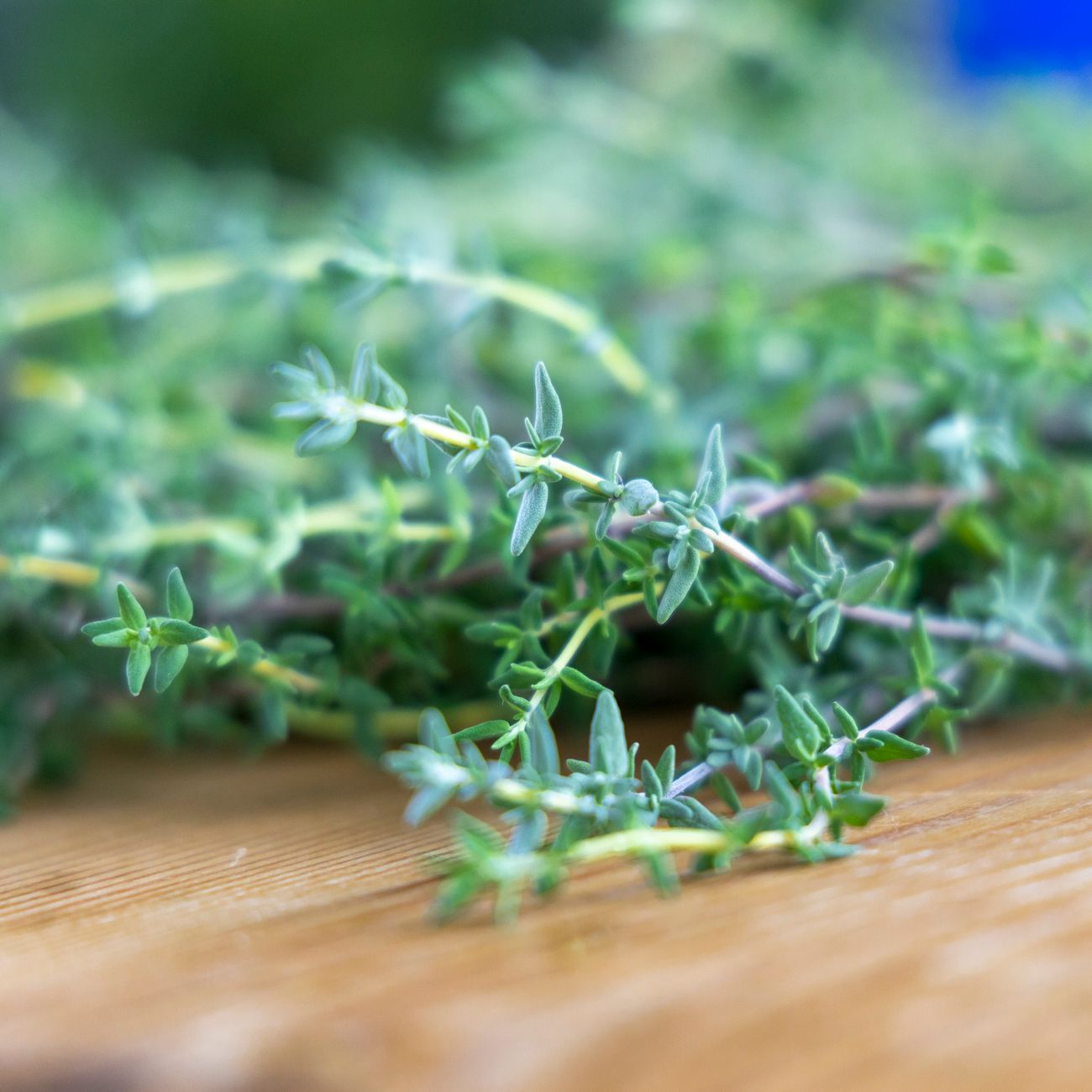 FlowerJordan Rushton / Pexels
Mateřídouška obecná
Thymus pulegioides
Wild Thyme
A low, woody mat studded with tiny pink-purple flowers and a strong herbal scent when brushed against — a wild relative of the kitchen herb.
- Blooms
- June – September
- Height
- 5 – 20 cm
- Find it
- Dry sunny banks, gravelly paths, sandy yard edges
Did you know? It is a magnet for butterflies and wild bees, and Czech folk medicine has long used it steeped as a tea for coughs.